5 Secrets to Dressing for Business Success (for Men)

Whether you’re walking into a high-stakes interview, meeting a new client, or trying to level up in your current role, what you wear sends a message long before you say a word. The right clothes won’t replace skills or experience—but they absolutely can open doors, boost confidence, and help people see you as the professional you already are.
Here are five core “secrets” to dressing for business success.
Secret #1: Choose Quality Over Quantity
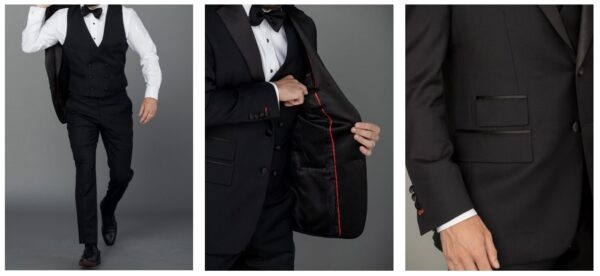
A small, well-built wardrobe beats a closet full of cheap, throwaway pieces every time.
High-quality garments:
- Look better up close and from across the room – good fabrics drape cleanly and flatter your shape.
- Hold their shape longer – they don’t bag out at the knees or elbows by lunchtime.
- Last for years – which saves money in the long run.
Fabrics to Look For
Stick with natural fibers for business clothing:
- Wool – the go-to for suits and sport coats. Look for worsted wool; “Super 100s–150s” indicates a finer, smoother fabric that resists wrinkling.
- Cotton – ideal for shirts and warm-weather pants; it breathes well but wrinkles more easily.
- Linen – great for casual and warm climates. It wrinkles quickly, but that’s part of its relaxed charm.
Try to avoid cheap synthetics (polyester, shiny microfiber) for business suits and dress pants—they don’t breathe well and usually look inexpensive.
Fit Matters as Much as Fabric
Custom or made-to-measure: Best option if your body is hard to fit (big drop between chest and waist, very tall, very broad, etc.).
Off-the-rack: At minimum, budget for tailoring. Have sleeves, pant length, and waist adjusted so garments actually fit you—not just your size label.
If you prefer not to go fully custom, look for stores that sell “separates” so you can buy jacket and trousers in different sizes.
Dress Intentionally for the Interview
Before you pick your outfit, think about the culture of the company:
- Traditional industries (finance, law, government): more formal.
- Creative or tech: often more relaxed—but you still want to look put-together and intentional.
As a rule: it’s better to be slightly overdressed than noticeably underdressed.
Formal Interview Attire
For a professional role, a safe, classic combo looks like this:
Suit: Dark grey or navy, two-button, wool. Subtle pinstripes are fine for more senior roles.
Shirt: Crisp white or light blue dress shirt, medium spread collar, long sleeves.
Tie: Silk, solid or simple pattern.
- Conservative industries: stick with classic, muted colors.
- More creative industries: tasteful patterns and a bit more color are okay.
Shoes & belt: Polished black or dark brown leather, matched.
Pocket square (optional): Choose a color that complements your tie, not the exact same pattern.
Smart Casual for Less Formal Interviews
Smart Casual for Less Formal Interviews
- Blazer: Navy or dark sport coat (keep patterns subtle).
- Pants: Grey, taupe, or khaki dress trousers or chinos (no jeans).
- Shirt: White or light blue button-down; always tucked in and pressed.
- Tie: Optional—but wearing one can still help you stand out.
- Shoes: Leather dress shoes, polished, with matching belt.
Grooming & Hygiene Basics
- Shower before your interview or important meeting.
- Teeth & breath: Brush, floss if needed, and use a mint (skip the gum so you’re not chewing during the conversation).
- Hair:
Short and neat is safest for most industries.
If you have longer hair or facial hair, keep it intentionally styled and well-groomed. - Fragrance: Go easy. A light, clean scent or none at all is better than overpowering cologne.
Jewelry Rules
For business and interviews, keep it minimal:
- Safe choices: Wedding ring and a watch.
- Skip: Earrings, facial piercings, loud necklaces, or anything that might distract from what you’re saying.
Dress for Your Body Type
The same outfit can look very different on two people. Fit and proportions should work with your body—not against it.
Tall Men
Goals: avoid looking lanky or “all legs.
- Jackets: Two-button jackets with flap pockets help visually “shorten” the torso.
- Shirts: Slightly wider spread collars can balance a long, narrow face.
- Pants: Cuffs and properly tapered legs help ground your frame; hem should rest on the top of the shoes.
- Shoes & ties: Slightly wider ties and more substantial shoes can keep proportions balanced.
Heavy-Set Men
Goals: smooth lines, not tight or tent-like.
- Jackets: Two-button with peak lapels can draw the eye upward. Double vents help the jacket move comfortably when you sit or walk.
- Shirts: Long enough to stay tucked in; collar should close comfortably without strain.
- Pants: Braces (button-on suspenders) often work better than belts, allowing pants to hang from the waist and fall cleanly. Avoid cuffs.
- Ties: Bold, properly sized ties that reach the top of the waistband.
Short Men
Goals: visually lengthen the frame.
- Jackets: Slightly shorter length helps legs look longer. Dark, solid colors or subtle vertical stripes (pinstripes) are your friend.
- Shirts: Vertical stripes and longer, pointed collars elongate the torso.
- Pants: No cuffs, minimal break at the shoe, and no pleats to keep lines clean.
- Ties: Smaller knots (avoid big Windsor knots) that don’t overpower your frame.
Athletic Men
Goals: highlight shape without looking stuffed into your clothes.
- Jackets: Single-breasted, two-button in darker colors. If your chest-to-waist drop is more than 8–10 inches, look for “athletic cut” or custom.
- Shirts: Pay close attention to the collar fit; too tight makes your neck look larger.
- Pants: Pleats and cuffs are fine; just make sure the seat and thighs have enough room.
- Shoes & ties: Slightly narrower shoes and ties keep the overall look sleek, not bulky.
Secret #4: Take Care of Your Clothes
Great clothes only look great if you maintain them. Proper care:
- Extends the life of your wardrobe
- Keeps colors and textures looking new
- Helps you look sharp every day, not just on day one
Everyday Habits
- Brush your suits with a proper clothes brush to remove surface dust and dirt.
- Hang garments correctly on good wooden hangers with wide shoulders.
- Rotate suits and give them at least a day to rest and air out between wears.
Steaming vs. Dry Cleaning
Steaming
- Gently relaxes fibers and removes wrinkles.
- Great for suits, sport coats, and wool trousers.
- A decent garment steamer is a worthwhile investment.
Dry cleaning
- Effective but harsh over time.
- Use only when truly needed (visible dirt, strong odors, serious stains).
- Shirts can be laundered and pressed professionally if the budget allows; otherwise, iron at home.
Washing & Ironing
- Always read care labels.
- Use the correct water temperature and cycle for shirts and pants.
- For delicate fabrics, hand-wash in cold water if machine washing isn’t recommended.
- For ironing:
Use a steam iron with proper fabric settings.
Keep the iron moving to avoid shine marks or burns.
Iron shirts and pants inside out when possible, and hang or fold immediately.
Shoes & Storage
- Polish regularly using a quality wax polish and a horsehair brush.
- Use cedar shoe trees after wearing to help shoes dry and hold their shape.
- Store suits in breathable garment bags for long-term use, in a cool, dry, dark place.
Secret #5: Your Quick “Cheat Sheet” for Business Dressing
When you’re pulling an outfit together, run through this mental checklist:
For Formal Interviews or Big Meetings
- Dark grey or navy 2-button suit (wool)
- White or light blue dress shirt, pressed
- Silk tie in a solid or simple pattern, appropriate for the industry
- Matching leather dress shoes and belt, polished
- Dark socks that match or are slightly darker than the pants
- Simple pocket square that complements (not matches exactly) the tie
For Smart Casual Business Settings
- Navy or dark blazer or conservative sport coat
- Grey, taupe, or khaki dress pants or chinos
- Button-down shirt in white, blue, or a subtle pattern
- Optional tie
- Leather dress shoes and matching belt
- Socks that match the pants (a shade darker is usually safest)
Always
- Dress for the culture of the workplace.
- Make sure clothes fit your body type, not an imaginary size.
- Prioritize quality over quantity.
- Pay attention to details: pressed shirt, polished shoes, trimmed nails, fresh breath.
Want to Go Deeper? Get the Free Ebook
If you found these tips helpful, you’ll love the full guide that inspired this post.
👉 Download the free ebook: “5 Secrets for Success in Business Dressing for Men”
Inside, you’ll get:
- Detailed fabric breakdowns and what to actually buy
- Specific examples of interview outfits (formal & informal)
- Body-type tailoring tips for tall, short, athletic, and heavy-set men
- Step-by-step clothing care, steaming, and shoe-shining routines
- A quick “cheat sheet” you can reference before any big meeting or interview